
Newsletter
People Who Changed the Way America Moved
Culture Playbook · 6 September 2026 · 9 min read
ISSUE NO. 2 — SPORTS • MUSIC • HISTORY • CULTURE
DISCOVER THE FACE. LEARN THE STORY.
MOVEMENT CHANGES MORE THAN LOCATION
Movement can carry food, medicine, people, sound, and possibility. In this issue, Culture Playbook follows four overlooked figures whose work changed what could travel, where people could go, what audiences could hear, and who could cross the finish line first.
MAIN FEATURE
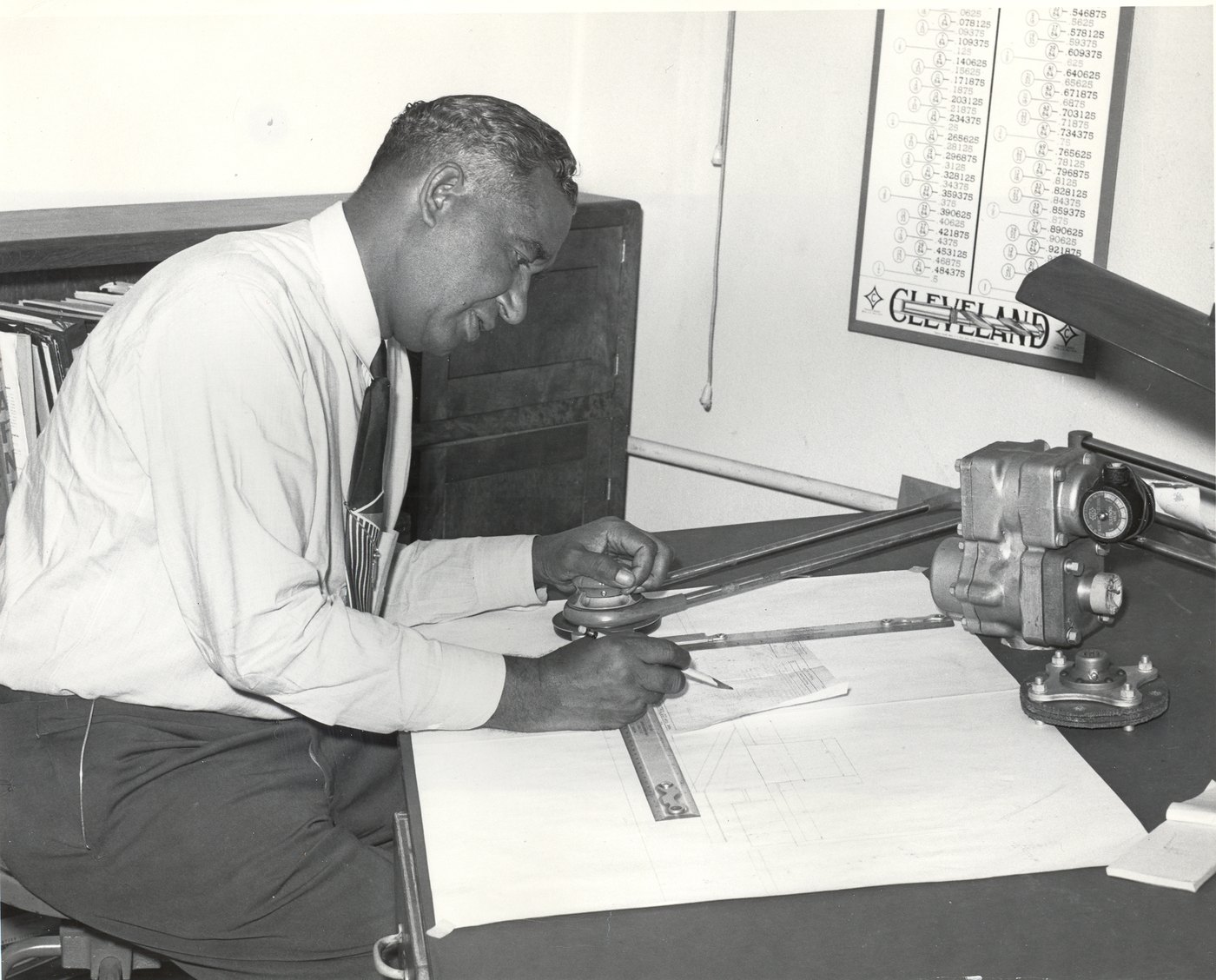
THE MAN WHO PUT THE COLD ON WHEELS
You may not know Frederick McKinley Jones. But his invention helped change what could reach your grocery store, your hospital—and even a battlefield.
Before dependable mobile refrigeration, transporting fresh food over long distances was difficult. Ice and salt could only do so much. Meat, dairy products, fruits, vegetables, medicine, and blood all had limited traveling time before heat placed them at risk.
Frederick McKinley Jones helped change that.
Born in Cincinnati, Ohio, in 1893, Jones encountered hardship early in life. After losing his mother, he was sent to live at a Catholic rectory in Kentucky. By age eleven, he had left and found work in an automobile garage.
That garage became his classroom.
Jones had little formal education, but he possessed an extraordinary ability to understand machinery. He taught himself by observing, experimenting, repairing, and rebuilding. While still a teenager, he advanced from cleaning the garage to working as a mechanic and eventually supervising its operations.
His curiosity did not stop with automobiles. Jones worked with engines, electrical equipment, radio technology, motion-picture sound systems, and other mechanical devices. When presented with a problem, he looked for a practical way to solve it.
One of those problems involved transporting perishable goods.
Jones developed the first successful mobile refrigeration system capable of operating reliably while attached to a truck. Instead of depending entirely on ice and salt, trucks could maintain controlled temperatures while traveling.
The effect reached far beyond the vehicle itself.
Food could travel farther without spoiling. Farmers and food producers could reach more distant markets. Communities gained greater access to fresh produce throughout the year. During World War II, mobile refrigeration units were used to transport food, medicine, and blood needed by military personnel and field hospitals.
Jones and businessman Joseph Numero formed the company that eventually became Thermo King, a major name in transport refrigeration.
Jones received 61 patents, 40 of them related to refrigeration. His work also included inventions involving engines and motion-picture equipment.
In 1991, President George H. W. Bush posthumously awarded Jones the National Medal of Technology. He became the first African American to receive the honor.
Today, refrigerated trucks remain an essential part of the system that moves food and medical supplies. Every time fresh produce crosses a long distance, frozen food arrives safely, or temperature-sensitive medicine reaches its destination, we can see the world Frederick McKinley Jones helped create.
Some inventors become household names. Frederick McKinley Jones changed what could reach the household without ever becoming one.
HISTORY CORNER
THE BOOK THAT HELPED BLACK AMERICA TRAVEL
The automobile promised freedom—but during segregation, the open road did not offer equal freedom to everyone.
Black travelers could be refused service at restaurants, hotels, gas stations, and other businesses. Entering the wrong town or stopping at the wrong establishment could bring humiliation, danger, or violence.
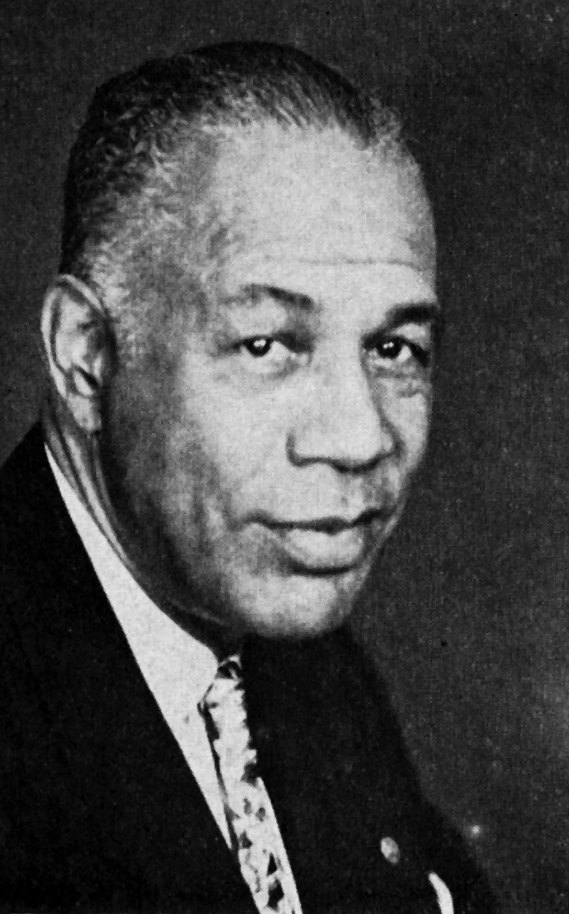
Victor Hugo Green, a Harlem postal worker, decided travelers needed reliable information before beginning their journeys.
With assistance from his wife, Alma, Green began publishing The Negro Motorist Green Book in 1936. The guide identified hotels, restaurants, gas stations, beauty salons, barbershops, tourist homes, and other establishments where Black customers could expect service.
What began with a strong focus on Harlem expanded across the country. Green also used the national connections of fellow postal workers to locate businesses and build the guide’s reach.
The Green Book did not eliminate the injustice travelers faced. It gave them information they could use to plan more safely, support welcoming businesses, and exercise more control over their journeys.
Jones helped goods travel farther. Green helped Black families know where they could safely stop.
MUSIC
THE HARMONICA WIZARD WHO HELPED GIVE THE GRAND OLE OPRY ITS VOICE
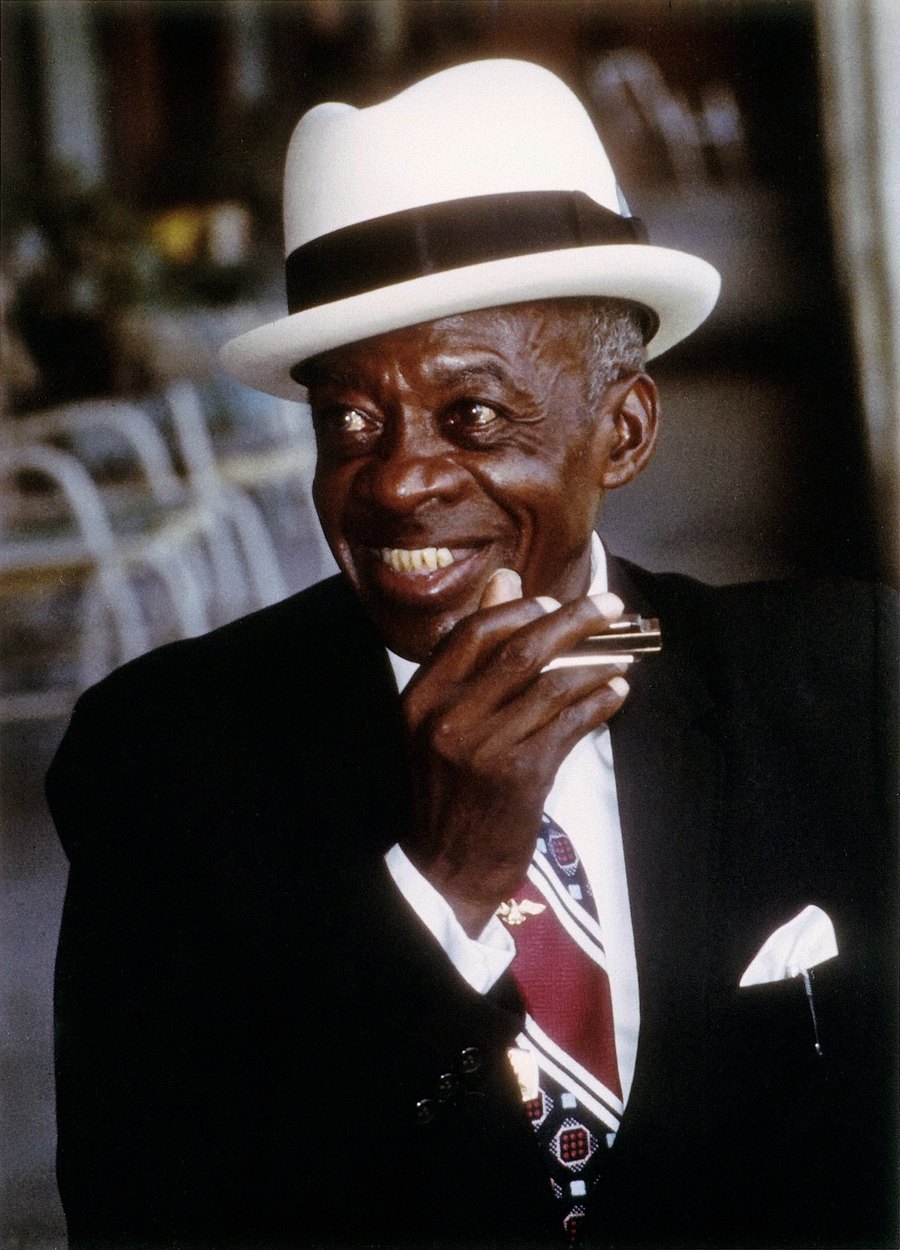
Born in rural Tennessee in 1899, DeFord Bailey grew up surrounded by music. He learned to imitate the sounds he heard around him—the cries of animals, hunting dogs, and trains traveling through the countryside.
He became one of the Grand Ole Opry’s earliest and most popular performers and is recognized by the Country Music Hall of Fame as country music’s first African American star.
One of Bailey’s signature performances was “Pan American Blues.” Using only his harmonica, he recreated the rhythm and sound of a passing railroad train.
During a 1927 broadcast, announcer George D. Hay introduced Bailey’s train-inspired performance of “Pan American Blues.” Later in the program, Hay used the name “Grand Ole Opry.” Bailey’s performance therefore became part of the moment that helped inspire the program’s famous name.
His name is not always included when country music’s foundations are discussed. His sound, however, was there near the beginning.
SPORTS
THE CHAMPION WHO REFUSED TO SLOW DOWN
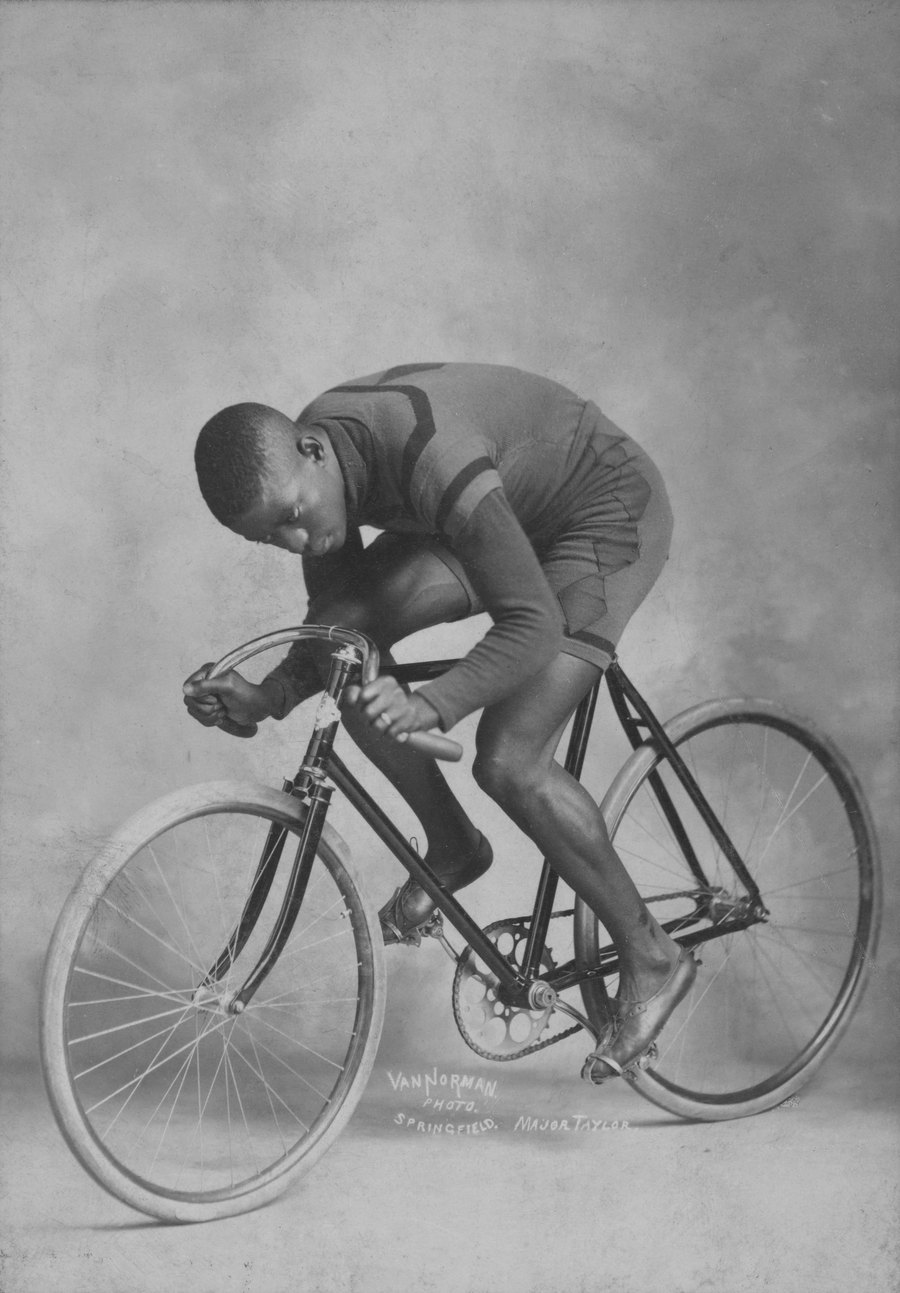
Marshall “Major” Taylor competed during an era when professional cycling attracted enormous crowds. He possessed remarkable speed, discipline, and endurance, but his ability did not protect him from racism.
White competitors attempted to block his participation. Promoters and racing organizations sometimes excluded him. During competition, he faced intimidation and physical aggression.
Taylor continued riding.
In 1899, he won a world championship, becoming only the second African American to earn a world title in any sport. He later became the national cycling champion in 1900 and achieved international fame.
His victories were not simply athletic accomplishments. Each race placed a Black champion before audiences that lived in a society determined to limit where Black people could compete, travel, work, and succeed.
Major Taylor did not receive an open road. He made one through speed, courage, and persistence.
FROM CULTURE PLAYBOOK
THE STORIES DO NOT STOP HERE
Visit Culture Playbook for more history, music, sports, and cultural stories about people whose influence deserves greater recognition.
You can also follow our growing collection of short-form history videos on YouTube—quick introductions to remarkable people whose names should never have been overlooked.
If this issue introduced you to someone new, share it with a friend or family member. Every share helps move another overlooked story back into view.
CLOSING NOTE
MOVEMENT CAN MEAN MANY THINGS
Frederick McKinley Jones changed how food and medicine moved.
Victor Hugo Green helped Black travelers navigate the road.
DeFord Bailey turned the sound of a moving train into music.
Major Taylor used two wheels to race through barriers others placed before him.
Some people become household names. Others change the household—and the world around it—without ever becoming one.
Culture Playbook exists to make sure those stories do not remain overlooked.
Until the next issue,
Culture Playbook
FACT SOURCES & IMAGE RIGHTS
- Frederick McKinley Jones — Fact source: National Inventors Hall of Fame — Frederick McKinley Jones. Image: U.S. Department of Agriculture, via Wikimedia Commons. Public domain.
- Victor Hugo Green — Fact source: National Park Service — The Green Book: An Historic Context. Image: The New York Age (1956), via Wikimedia Commons. Public domain in the United States.
- DeFord Bailey — Fact source: Country Music Hall of Fame and Museum — DeFord Bailey. Image: Marilyn K. Morton, via Wikimedia Commons. Licensed CC BY-SA 4.0.
- Marshall “Major” Taylor — Fact source: Smithsonian National Museum of American History — Major Taylor. Image: George H. Van Norman, New York Public Library, via Wikimedia Commons. Public domain.
Keep reading with us
Get the next story in your inbox before it hits the feed.