
Music
Elvis Got the Crown. Sister Rosetta Tharpe Built the Throne.
The Culture Playbook · 30 August 2026 · 5 min read
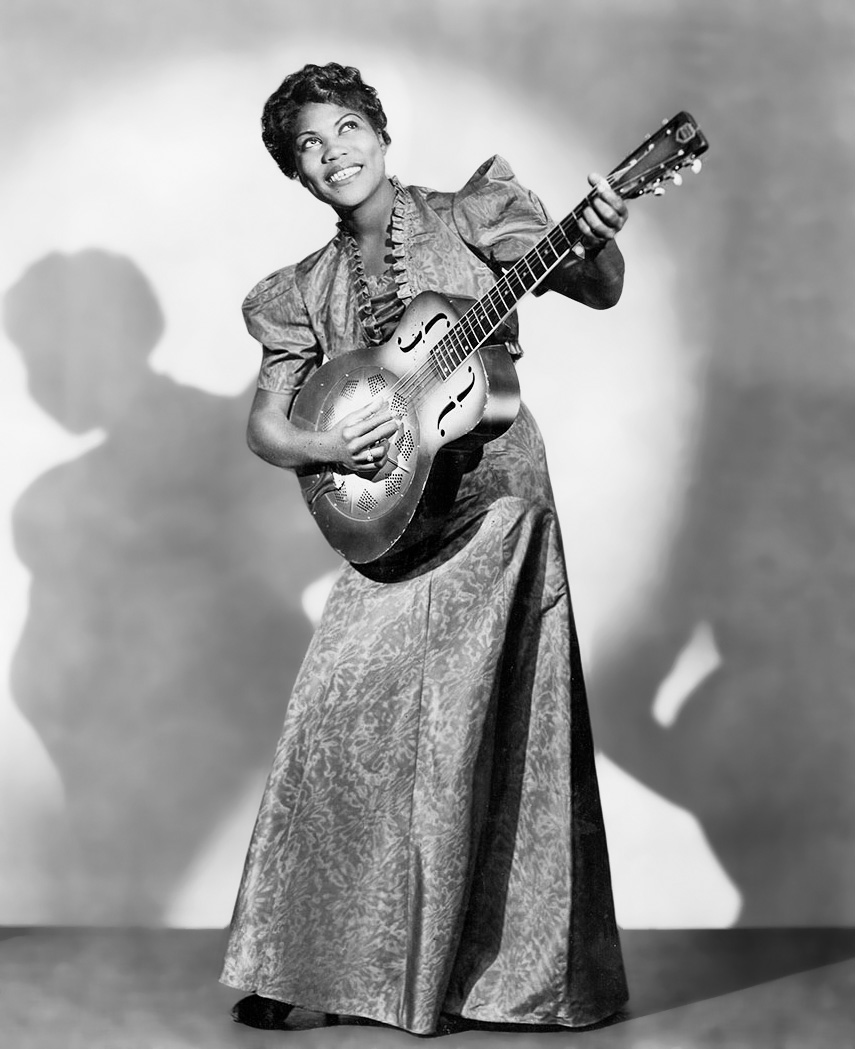
Before rock & roll had a name, Sister Rosetta Tharpe was already making the electric guitar speak with a voice the world would spend decades catching up to.
History has a way of remembering the people standing in the spotlight. But what about the people who helped build the stage?
The Woman Before Rock & Roll
Born in Arkansas in 1915, Sister Rosetta Tharpe grew up in the gospel tradition. By the late 1930s she was bringing that foundation into major secular venues, pairing a commanding voice with an electric-guitar style that was forceful, rhythmic, and startlingly modern.
She did not simply accompany herself on guitar. She made the instrument part of the message.
Her performances blended gospel with blues, jazz, and popular music at a time when those boundaries mattered deeply. That willingness to cross musical lines helped point toward the sound and attitude that would later be recognized as rock & roll.
In 1938, she appeared at John Hammond's historic From Spirituals to Swing concert at Carnegie Hall. The Library of Congress later described her as a major gospel artist whose blend of blues and jazz influenced gospel, jazz, and rock musicians.
Before the Legends Became Legends
Rock & roll history is filled with giant names. But the music did not appear out of nowhere. Tharpe was recording and performing with electric guitar years before rock & roll became a mass-market phenomenon. The Rock & Roll Hall of Fame calls her a pioneering guitar heroine whose voice and technique helped shape the music that followed.
This is not about taking anything away from the artists who came later. It is about making the family tree of the music more complete — and making sure Rosetta's branch is impossible to miss.
Did You Know?
- 1938: Tharpe performed at the landmark From Spirituals to Swing concert at Carnegie Hall.
- 1944: Her recording of Down by the Riverside later entered the Library of Congress National Recording Registry.
- Influence: Her gospel-rooted electric-guitar work helped shape early rhythm & blues and rock & roll.
- 2018: Sister Rosetta Tharpe was inducted into the Rock & Roll Hall of Fame as an Early/Musical Influence.
Why Her Story Matters
Sometimes the person who changes everything is not the person whose name ends up on the marquee. Sometimes they are standing several steps behind the superstar. Sometimes they are nearly written out of the story altogether.
And sometimes, they are a Black woman holding an electric guitar years before the world fully understands what she is creating.
Sister Rosetta Tharpe deserves her place in that story.
From The Culture Playbook
Here is a question worth thinking about: how many people helped shape the culture we know today — but never received their flowers?
That is the question we are going to keep asking. Across music, sports, Black history, and culture, we are going beyond the familiar names and looking for the people whose fingerprints are everywhere, even when their names are not.
Because history does not belong only to the people who became famous. It belongs to the people who helped make history possible.
Keep Playing
Sometimes the person who changes the game is not the person history remembers first. That is why The Culture Playbook exists: to remember, to rediscover, and to give people their flowers.
Elvis got the crown. But before the crown, Sister Rosetta Tharpe was already plugged in.
Fact-check sources: Rock & Roll Hall of Fame, Sister Rosetta Tharpe inductee profile (2018). Library of Congress, National Recording Registry entry for Sister Rosetta Tharpe's "Down by the Riverside" (1944; inducted 2004).
Keep reading with us
Get the next story in your inbox before it hits the feed.